17 November 2026
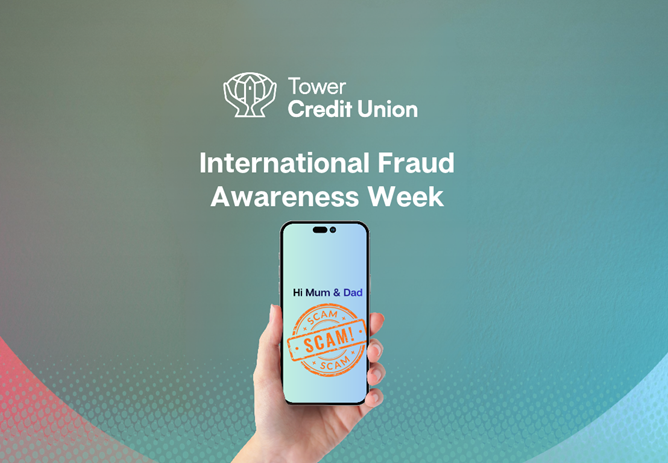
Fraud Awareness Week - Dear Mum / Dad Scam
"Hi Mum, It's Me. I've Got a New Number…"
Imagine receiving a WhatsApp or text message from an unfamiliar number:
"Hi Mum, I've lost my phone and this is my new number. Can you save it? ❤️"
A few messages later, another request arrives:
"I'm really stuck. I need to pay an urgent bill, but I can't access my banking app. Could you transfer €980 for me? I'll pay you back tomorrow."
Would you send the money?
This is a common scam known as the "Dear Mum/Dad Scam", where fraudsters pretend to be your son, daughter or another family member to trick you into transferring money.
How Does the Scam Work?
Fraudsters often follow a convincing pattern:
- The New Number: They claim to have lost or broken their phone and ask you to save a new number.
- The Emotional Connection: They use familiar language such as "Hi Mum" or "Hi Dad" to gain your trust.
- The Urgent Request: They claim they need money immediately to pay a bill or deal with an emergency.
- The Excuse: They may say they can't take a call because their phone is broken, they're at work or they're in a difficult situation.
The fraudster is relying on your natural instinct to help someone you love.
STOP. THINK. CHECK.
STOP – Never transfer money based solely on a text or WhatsApp message, regardless of how convincing it sounds.
THINK – Why is your family member using an unfamiliar number? Why is the payment so urgent?
CHECK – Contact your family member directly using the telephone number you already have saved, or another trusted way of contacting them.
A simple phone call could save you hundreds or even thousands of euro.
One Simple Tip That Could Stop a Scam
Consider agreeing on a family verification question or secret word that only your family members know.
If you receive an unexpected request for money, ask the person to confirm it. Don't include the answer in your message or give them hints.
However, always try to speak directly with your family member before sending any money.
Already Sent Money?
If you believe you've transferred money to a fraudster:
- Contact your Credit Union or payment provider immediately and explain what happened.
- Ask whether the payment can be stopped or recovered.
- Keep copies of the messages and payment details.
- Report the incident to An Garda Síochána.
Remember: Don't Let Urgency Override Your Instincts!
ALWAYS SPEAK DIRECTLY WITH THE PERSON WHO MADE THE REQUEST BEFORE TRANSFERRING MONEY.
Fraudsters can impersonate someone you love, but taking a moment to verify their identity could prevent financial loss.